
The Practiced Smile: Depression & the Duality of Both-And
I was reading a passage from Parker Palmer recently. He wrote: I am a person of hope and one prone to depression. My wholeness depends on accepting that I am both-and.
I read it and was struck because I am both-and too.
I am someone who teaches presence, while also being one who spent years negotiating with her own body’s pain rather than listening to it. In that Mumbai hotel room, I was someone who writes about mindfulness while desperately trying to will myself into a different reality.
Wholeness, Palmer reminds us, has nothing to do with perfection. It means embracing the broken parts as integral — not despite them, but with them.
I am still learning that lesson.
Too Late to Say Goodbye
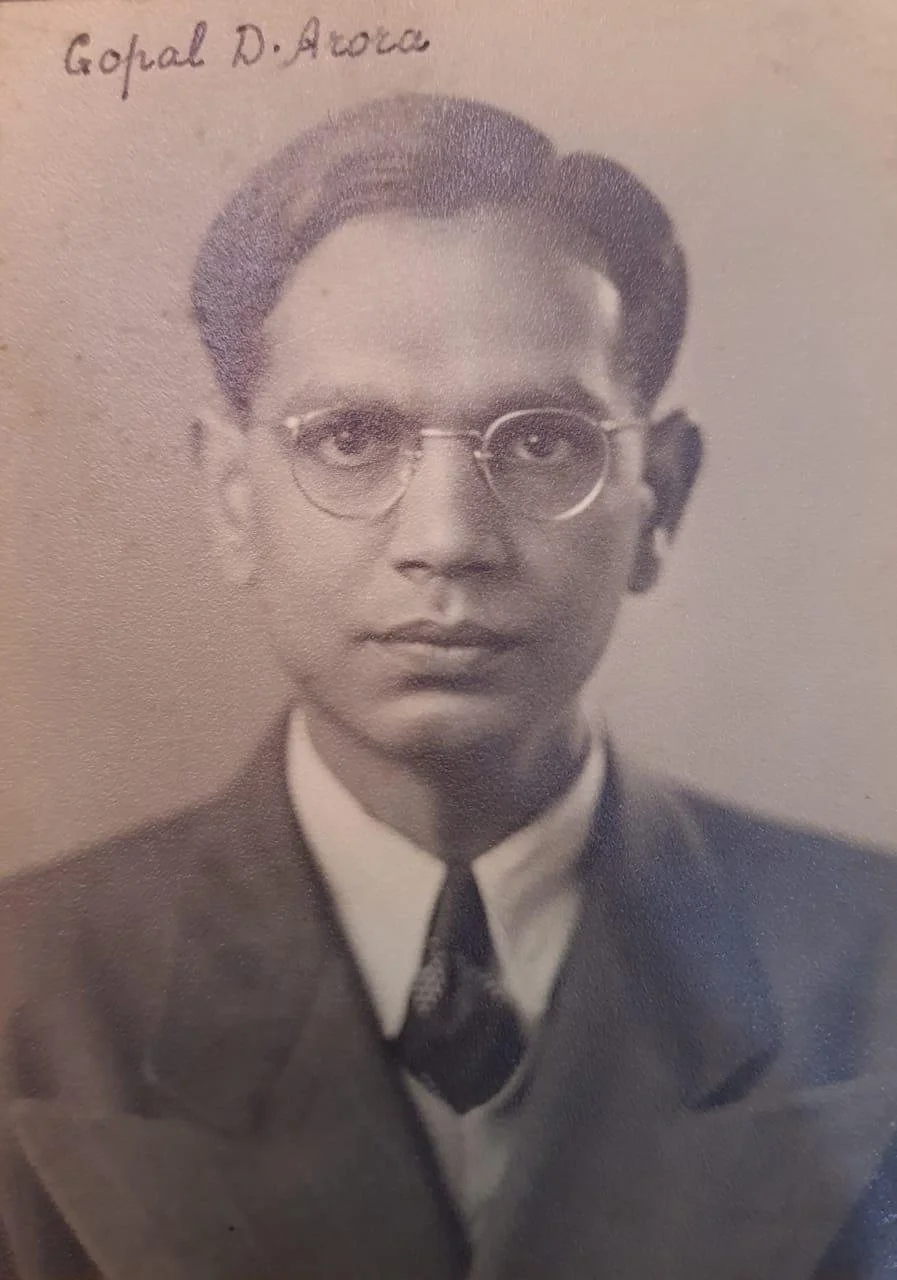
The first time I was depressed, I was 22. My father died suddenly from a massive heart attack at 3am. I felt it before I knew it. I’d awakened from a deep sleep, gasping, unable to catch my breath. Something felt broken inside me. That was hours before my sister called. By the time I reached home, it was too late to say goodbye.
I hated being in that state. Hated feeling the oppressive overwhelm of sadness. The kind that sticks with you. That moves with and through you. That makes the world around me feel like it is happening to someone else, and I’m just an observer.
Like most everything else in my life, I wanted to manage my grief. To minimize and outrun it. So, I did what many of us do. I smiled.
It wasn’t a performative smile. In fact, it was something more insidious than that. I genuinely attempted to feel what I projected.
You push the corners of your lips up, and you think: surely my body will follow. If I look like someone who is holding it together, I will become someone who is managing.
There is science behind it. The facial muscles send a signal to the brain — dopamine begins to flow. The neurochemistry does shift a little when you smile, even a forced smile. So, I kept doing it.
What I didn’t realize was that I was also building something else: a reputation. Anu is so positive. Anu is so full of light. It was a story that others began to tell about me, and that I eventually began to tell about myself.
By the time this most recent round of grief had arrived in my body — the one about my knee, my spine, my physical freedom, my mobility, my independence — I had been “the positive one” for decades. I didn’t choose this moniker, exactly. But it had become an expectation. Mine as much as anyone else’s.
The Question is Progress
My sister saw through it. Years ago, during the bad months, she said to me: your smiles are fake these days. Fake like something is missing. The lightness isn’t there.
Nobody else had noticed. But she did because she knew what joy looked like for me, and this wasn’t it.
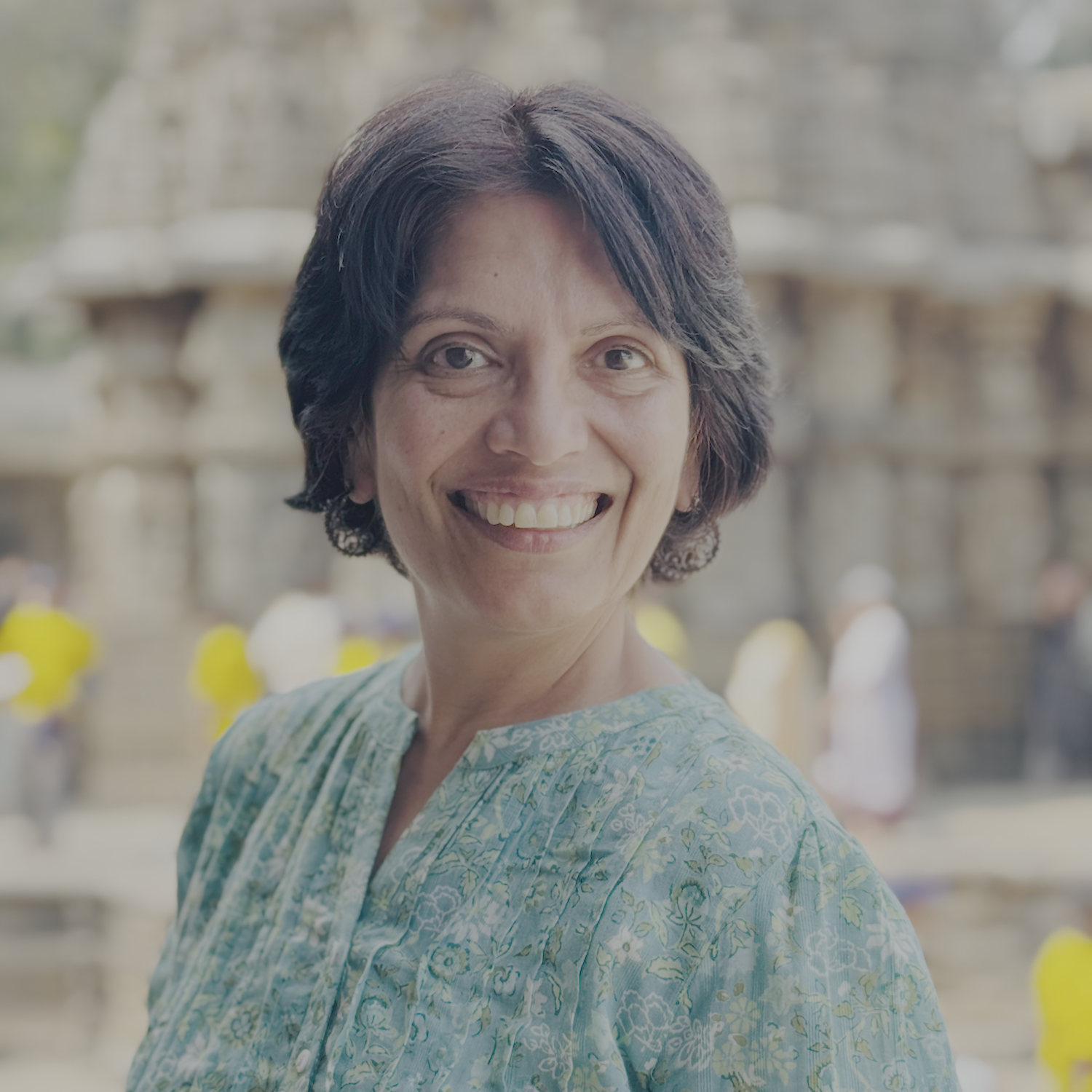
I’ve thought about that a lot this year. So I started doing the mirror test. Standing in front of the bathroom mirror, I ask myself: Anu, are you really smiling? Or are you sad behind this face?
Some mornings, the answer is clear. Some mornings I am not sure. And some mornings, I realize that the question itself is progress because for a long time, I hadn’t even asked.
Don’t Lose Perspective
When I came back to Seattle after the diagnosis, I didn’t adjust well. The weather felt like it was a reflection of my personal health. The cold, grey chill settled into my bones.
I couldn’t walk the way I used to, couldn’t get outside the way I always had, no matter the weather. I couldn’t even practice yoga anymore. These were the things I had built my sense of self around — my physical strength, my ability to move through the world, to hike, to stand sure on the mat, to be the one who laced up her shoes and went outside anyway, even in Seattle grey.
People around me, people who love me, said: look at everything you have. You have so much to be grateful for. Don’t lose perspective.
They weren’t wrong. And it didn’t help at all.
Because what I was doing was grieving. I was mourning the loss of a self I had known for half a century. Loss of being the one who could move through the world freely.
But I had become the positive one. And the positive one doesn’t get to say: I am depressed. I am sad. Something has been taken from me and I don’t know who I am without it.
So instead, I practiced a BIG smile while grief lingered just below the surface.
The Trap: A Mask of Courage
This mask, I’ve learned, is its own kind of courage — and its own kind of trap.
Courage is keeping on showing up, not letting the darkness win every morning. There is something real in the discipline of choosing presence, even when it’s hard.
The trap is when the smile becomes the story. When the performance becomes so practiced that even you start to believe it.
Women know this trap especially well. We are permitted a narrow emotional range. Not too angry. Not too sad. Not too much. And the moment we step outside that range, we are labeled — difficult, fragile, too emotional. Men carry their own version: stoicism as armor and strength as silence. Different cages. Same result. So we mask. All of us.
We mask depression because we don’t know what else to do with it. Because the world keeps moving, and we are expected to move too.
The Discomfort and Beauty of Both-And
Here is what I want you to hear, if you are dealing with some tough emotions right now: depression is not a character flaw and it’s not about being ungrateful for what you have. Depression is not failure. It is simply how we process what cannot be processed any other way.
The stages of grief, Kübler-Ross taught us are not a ladder. They are more like waves that come and go. Or concentric circles that resonate together, amplifying one another.
And if I’m honest with you, there are days when I’m still in it. There are times when the question in the mirror gets a real answer. And there are days when my smile rings hollow. I know it, and I offer it anyway. And I try to be kind with myself about that, too.
It’s the discomfort and beauty of both-and.
If this piece touched something raw, I want to gently say: please don't navigate it alone. I write from my own experience and from my coaching practice, but I am not a therapist, and this is not a substitute for professional support. If you're navigating grief, a health crisis, or a season that feels unmanageable, a licensed counselor or therapist can offer support.
This post was originally made on my Substack at MindfulLeaders.info