
Our Dreams are Universal
During my healing journey in Bangalore, at an Ayurveda center, one young woman became an important part of my daily routine. Tanu was nineteen. Small in frame, she was slight and almost delicate in appearance. Yet the strength in her hands was astonishing.
Ayurvedic therapy is demanding work with long hours and repetitive movements. Careful attention must be paid to the body, requiring stamina, discipline, and unwavering focus.
There was nothing rushed about her work. Every movement was intentional. Every touch carried with it a purpose. And the treatments themselves were unlike anything I had experienced before.
One of the therapies performed was Pichu (a treatment in which cotton pads soaked in warm medicated oil are placed on a specific area of the body for sustained nourishment and healing).
In my case, this meant that thick layers of cotton were soaked in herbal oils and placed carefully along my spine and lower back. Every few minutes the cotton was lifted, reheated in oil, and placed back again so the warmth would remain constant. The medicated oil seeped into my skin while the heat relaxed the muscles and nerves.
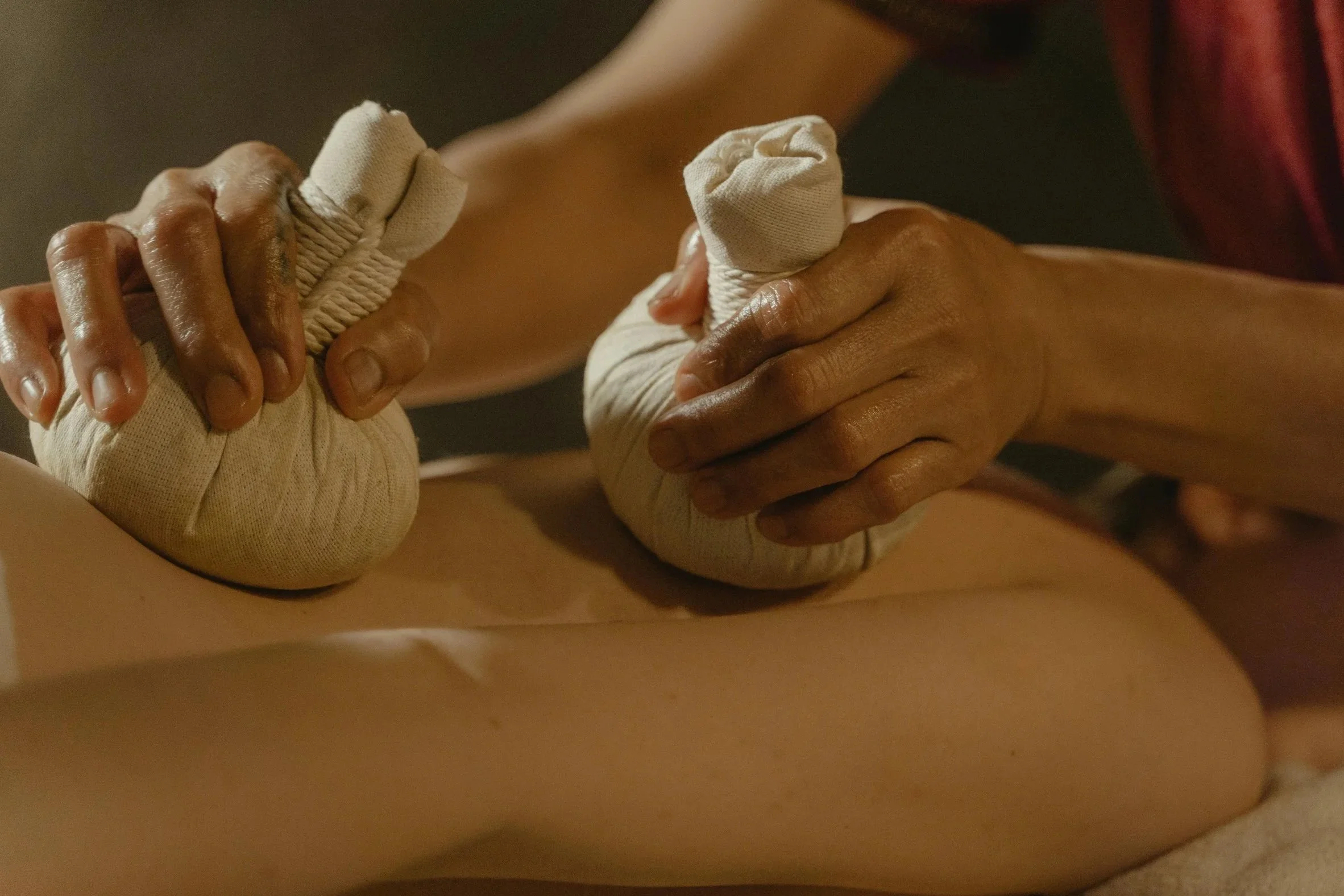
At other times, Tanu performed Patra Pinda Sweda (a form of Ayurvedic massage in which cloth bundles filled with medicinal herbs and rice are dipped in warm medicated oils or milk and pressed rhythmically across the body). These bundles were repeatedly heated and applied with firm, steady pressure across my back, hips, and legs. It was most definitely demanding physical labor.
I often thought about the effort behind the movements — the dipping, reheating, pressing, and lifting repeated again and again for hours at a time. Yet it was carried out with focus and determination.
There were times when Tanu worked with me alone, giving us more chances to talk between treatments. That’s how I came to know her better and how I’ve been considerably blessed to share her story with you.
The Father Who Nurtured a Dream
Tanu told me about her father. When he was young, his father and mother passed away at around the same time. He suddenly found himself thrust into responsibility at a very tender age. He’d been studying, but he dropped out of school to support his brothers and sisters.
His dad had owned a small fishing boat, so he took to the sea to provide for the household while ensuring that his siblings could continue their education. He still fishes even today and the sea remains one of the family’s primary sources of livelihood.
For many years he’d decided not to marry, devoting himself instead to raising and supporting his brothers and sisters. But, he realized that the household needed more stability. No one was managing daily life or preparing meals while everyone worked and studied. So, he reconsidered his approach to help provide a more stable environment for everyone to continue their education and married Tanu’s mother.
Growing Up in Diglipur
Tanu grew up far from the mainland of India - far from the noisy hustle and bustle of modern-day Bangalore. Instead, she’s from the Andaman and Nicobar Islands, sheltered in the Bay of Bengal. Here there are over 800 tiny islands - only 31 of which are actually inhabited.
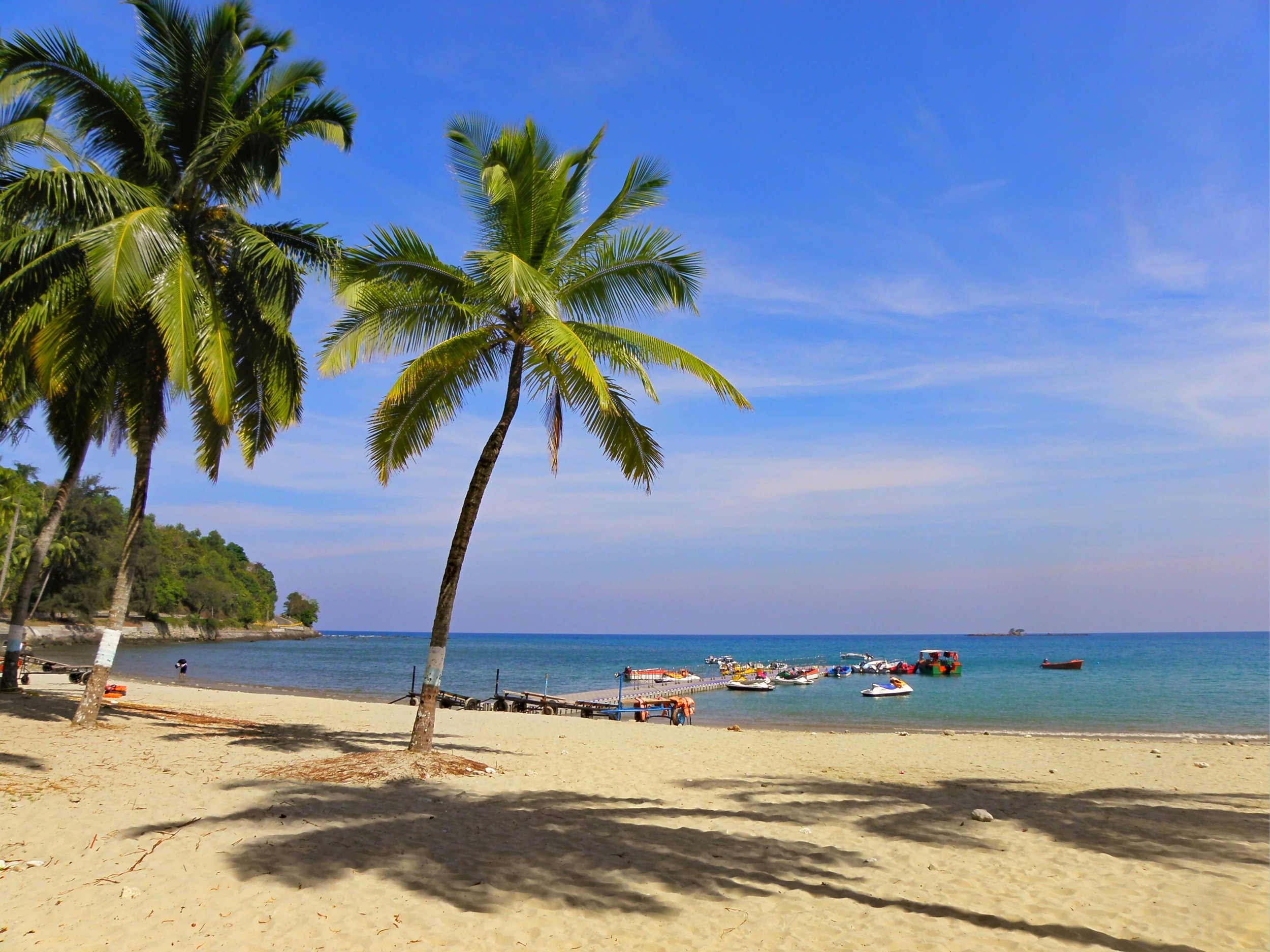
Island life has a very different pace from that of the cities. They are remote and lush. Over the decades, people from different parts of the subcontinent have settled there, building new lives far from their original homes.
Tanu’s family is no different. Their roots trace back to Bangladesh, and, like many Bengali-origin immigrant families who eventually settled in the Andaman Islands, they built a new life in Diglipur.
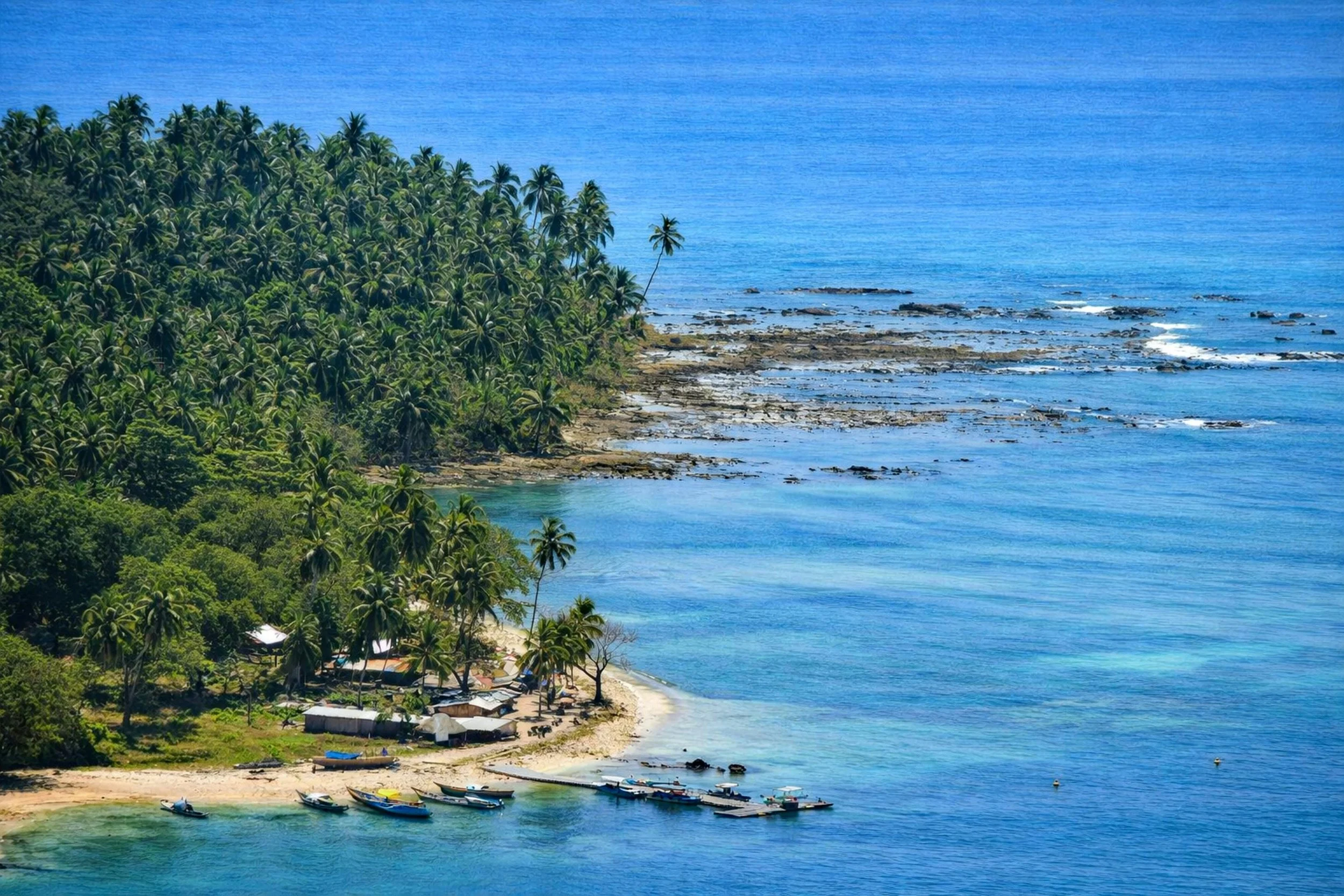
The only road that connects some of the small islands passes through the Jarawa Tribal Reserve. Home to the Jarawa people, they are a hunter-gatherer tribe and one of the indigenous communities of the Andaman Islands, with a dwindling population of around 500 people remaining. They are believed to have migrated from Africa tens of thousands of years ago and were isolated until just about 15 years ago. This has caused rapid lifestyle changes and increased risk of disease and exploitation. As a result of the consequences of interaction with the Jawara, travel through the reserve is tightly regulated. Vehicles must be escorted by police, ensuring that both travelers and the Jarawa community remain safe.
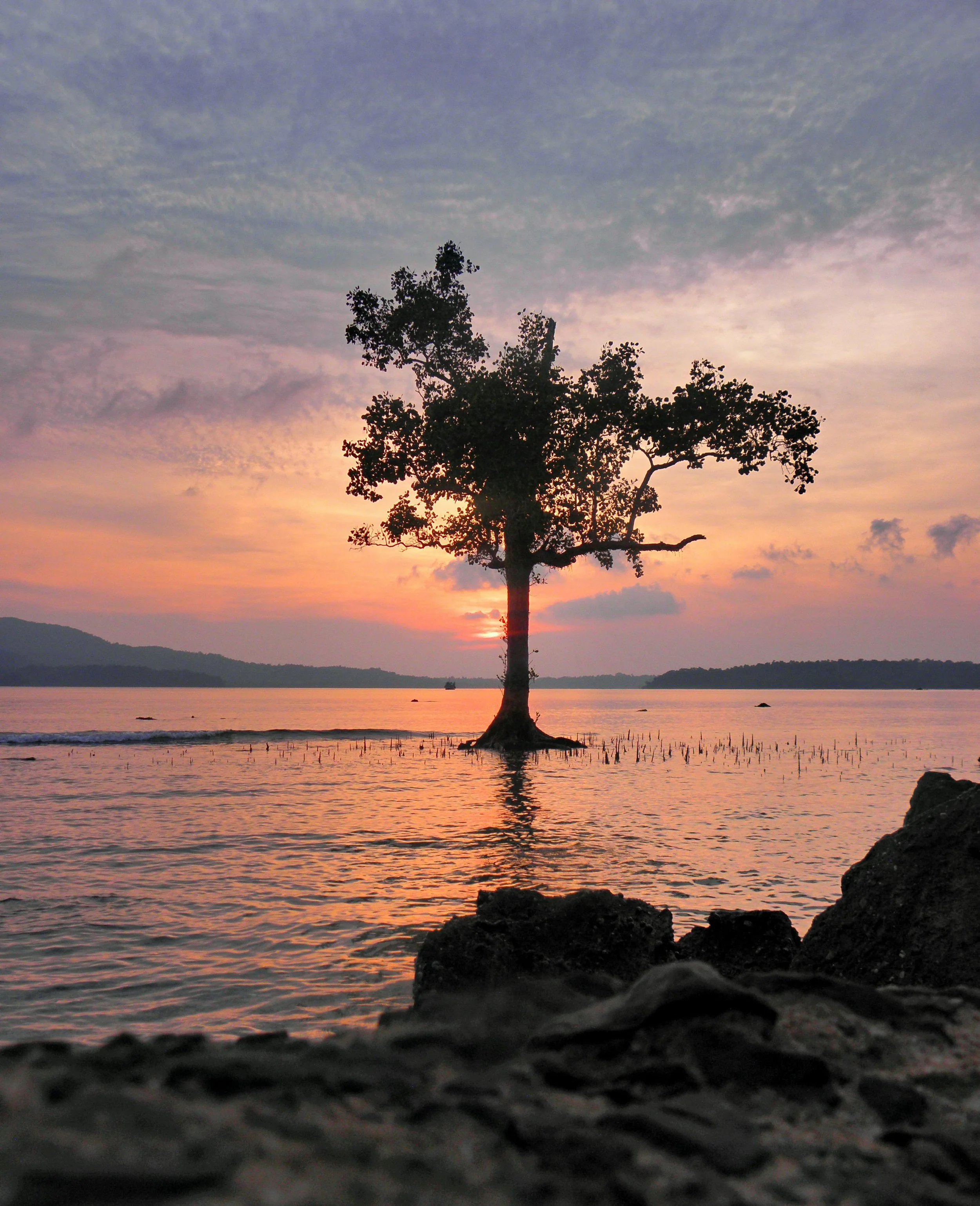
For families like Tanu’s returning home, the journey itself becomes a part of the story. There are ferries, long roads through dense forest, and police-escorted passage through protected lands before finally reaching Diglipur. It is a world that feels far removed from the busy-ness of India’s modern, mainland cities.
A New Chapter
Over time, Tanu’s family built stability. They cultivate rice and areca nut (betel nut) – maintaining a farm with around a thousand areca trees. Today, fishing and farming more than sustain the family. Compared to the uncertainty her father faced when he was young, their family today is much more stable. The sacrifices of one generation created opportunities for the next.
Like many young people from the islands, Tanu left home to build a livelihood of her own. She came to Bangalore to train and work in Ayurvedic therapy and her life is about to take another step forward.
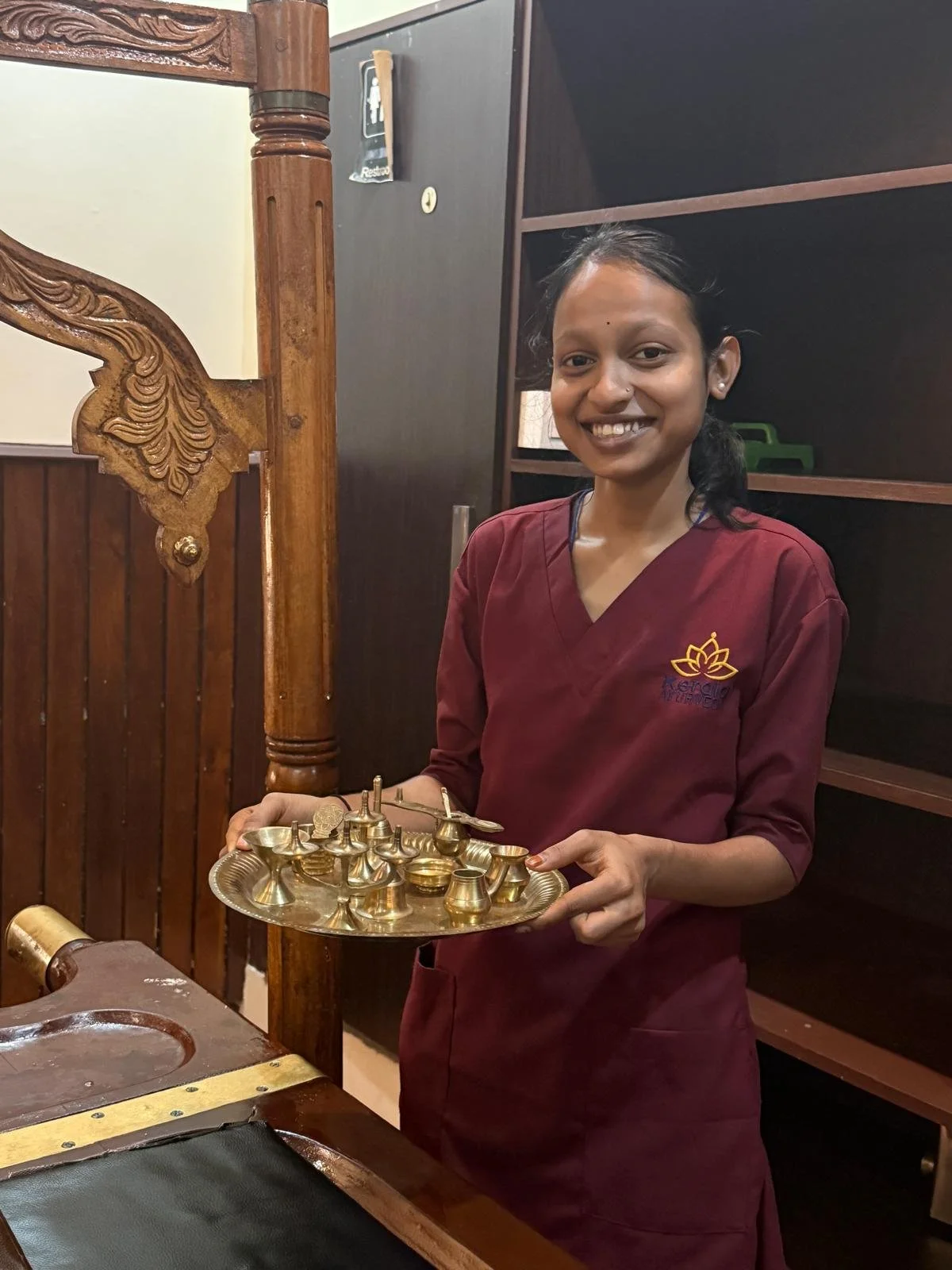
With her father’s encouragement, she has been admitted to a nursing program, a five-year course that will begin in Bangalore, in the fall. Before starting her studies, she plans to return home to Diglipur for a few months.
She wants to help her family during the areca harvest, spend time with her parents, and even learn a new skill. She plans to get her license to drive both motorcycles and cars. She sees these vehicles as freedom. They are her ticket to independence.
Our dreams are universal - a better future for our children, an easier life for our siblings or our parents, a comfortable community for our neighbors, new wheels so we can get around easier. The dreams Tanu shared were not exceptional, but the sacrifices her father continues to make to help her achieve them in a male-dominated society are.
It’s a story as old as time and yet still brand new. It’s generational sacrifice that propels the next onward to a bigger and brighter future. Inside every one of us, there are entire worlds – stories to tell – motivations that drive us – lessons we can share.
As for me, I carry the unwavering strength of Tanu and the enduring courage of her father into my own life here in Seattle. Different worlds, different circumstances — but the same dreams, the same devotion to family, the same longing to build a better tomorrow.
As first published on my Substack at https://www.mindfulleaders.info/